Mar 9, 2009: Melted Bricks

xoxoxoBruce • Mar 9, 2009 12:42 am
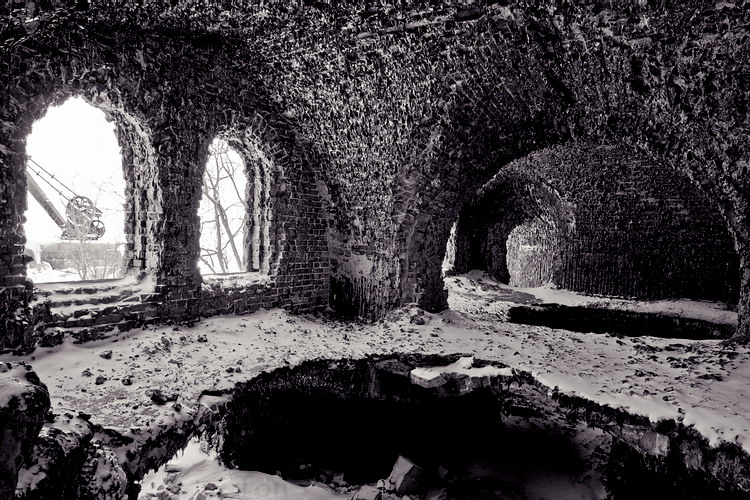
This old Russian fort, long abandoned, has vaulted red brick chambers typical of fortifications all over the world.
But these fortifications look like they have been frosted like a fancy cake.
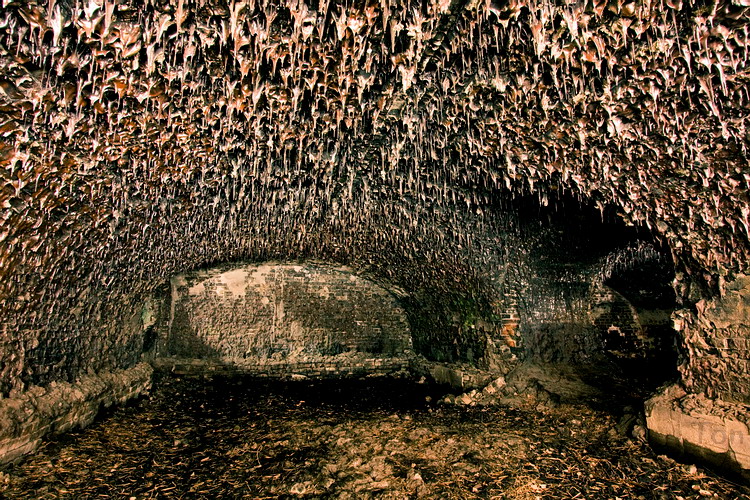
The reason for it to have such a strange look is because it was used later by Russian army to test the influence
of Russian alternative to napalm inside of the brick houses.

Due to very high temperature of napalm the bricks started melting just like ice melts in the spring forming the icicles,
but those icicles are of red brick.


Image

I wonder what temperature will melt red bricks that have been fired, laid up, and aged?
I'll bet it would have melted steel too.
Image

Maybe it got so hot it burned through the floor in those two spots.
Pretty safe to say, there were no creepy crawlers surviving that. :headshake
ZenGum • Mar 9, 2009 12:59 am
Bricks are clay. IIRC clay is tiny flakes of mica, sheets of silicate with a little other stuff. IIRC it should melt 1,000 - 1,200 degrees centigrade or so. Just guessin.

Amazing to see it.
xoxoxoBruce • Mar 9, 2009 1:10 am
From one brick maker;
These brick then travelled by conveyor through a preheater hood where they were baked to 450°F (260°C), which allowed gently handling and loading of 1100 bricks per car for firing in a 212 foot long tunnel kiln.
This kiln operated on Bunker C fuel oil to a peak firing temperature of 1850°F (1130°C) and could accommodate 79 cars at a rate of 14 cars per day. Later 376 foot long natural gas tunnel kilns firing to 1880°F were installed. After cooling, the bricks were sorted into 500 brick cubes and stored awaiting shipment.

I think 1,000 C is too low to make them melt.
SPUCK • Mar 9, 2009 5:38 am
Please no kiddie piggyback rides.
spudcon • Mar 9, 2009 7:22 am
The answer isn't temperature at all. It's explained in the first line of the post. (Snip) "This old Russian fart..." (snip)
TheMercenary • Mar 9, 2009 8:32 am
Interesting. Should have been pretty hot. Most regular brick (non-firebrick) will withstand the heat and then turn to dust as it cools.
Sheldonrs • Mar 9, 2009 9:52 am
And inside they found the charred remains of three little pigs.
Sundae • Mar 9, 2009 10:58 am
It made me shudder.
This was a weapon. This was designed to be used on people.

Grim.

Intersting IoTD of course.
TheMercenary • Mar 9, 2009 11:10 am
Sundae Girl;543071 wrote:
It made me shudder.
This was a weapon. This was designed to be used on people.

Those pesky Ruskies, always looking for new and interesting ways to off people, usually their own.
jinx • Mar 9, 2009 11:20 am
I assumed they melted because there wasn't enough oxygen for them to burn.
xoxoxoBruce • Mar 9, 2009 11:57 am
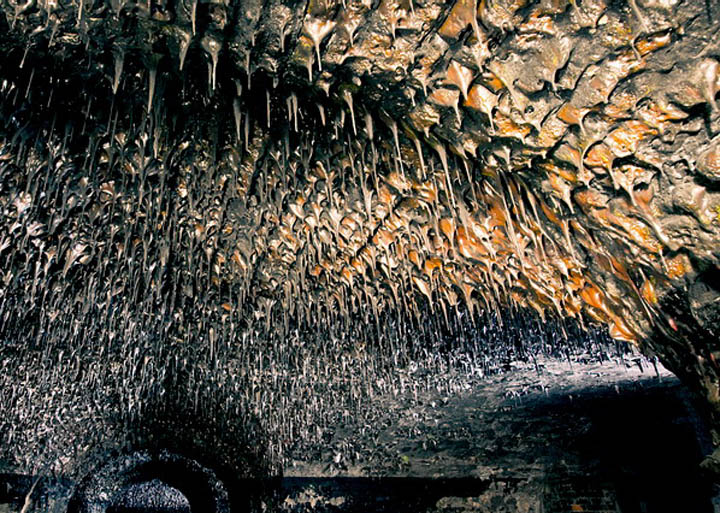
Ah, I found another picture. This one looks like it wasn't the bricks that melted, but the mortar in between or some sort of coating on the inside of the vault/room. Maybe the pictures were captioned wrong? Not sure, though it would make more sense.:confused:
Image
Cicero • Mar 9, 2009 12:45 pm
Looks like the bricks melted to me..........

Beautiful and horrifying...These images get an A+.
Antimatter • Mar 9, 2009 1:18 pm
Mortar isn't much more likely to melt. But some component of it could well be more soluble in water, so maybe this isn't the result of some secret Russian super-napalm but rather the long-term effect of exposure to the elements.
Diaphone Jim • Mar 9, 2009 2:32 pm
Runaway bar-b?
Actually a pretty hot subject, since Google returns 256 hits for "melted brick icicles."
The only culinary note is a New York Times article from Wednesday, December 4, 1872 that somehow morphs "melted brick wall" into "malted brook." Sounds good to me.
ZenGum • Mar 9, 2009 7:17 pm
Actually, it's a breeding colony of the new species of mutant urban vampire bats that emerged after the Chernobyl disaster.
rfndong • Mar 14, 2009 10:54 pm
jinx;543082 wrote:
I assumed they melted because there wasn't enough oxygen for them to burn.


Smarter than the average bear.
jinx • Mar 14, 2009 11:35 pm
:thankyou: